



Order in, load tendered
Orders arrive by email, by portal and in one spreadsheet a long-standing account refuses to give up. Somebody keys them in, and the confirmation waits until that person gets to it.
Where is my freight. The answer already exists, split across your TMS and three carrier portals, and right now a person on your team is the translator between them. We put that status on your customer’s screen and keep your dispatchers on the loads that actually need a human.
Every stage has its own question. When the answer sits in a system your customer cannot reach, the question reaches your phone instead.
Orders arrive by email, by portal and in one spreadsheet a long-standing account refuses to give up. Somebody keys them in, and the confirmation waits until that person gets to it.
Pick, load, bill of lading, appointment. When appointments get booked over the phone, two trucks show up for the same hour and somebody pays for the wait in detention.
Several carriers, each with a portal and its own names for the same status. Your team maps one vocabulary onto another, by hand, all day.
Missed stop, short load, freight held at a receiver. It gets worked out over calls, and the signed proof of delivery reaches the person billing for it days later.
STRADA DEV is our software division. We work in phases, with scope and schedule in writing before each one opens.
In most industries the hard part is the build. Here the hard part is agreeing on words, because your customer wants one timeline and you are stitching it out of four.
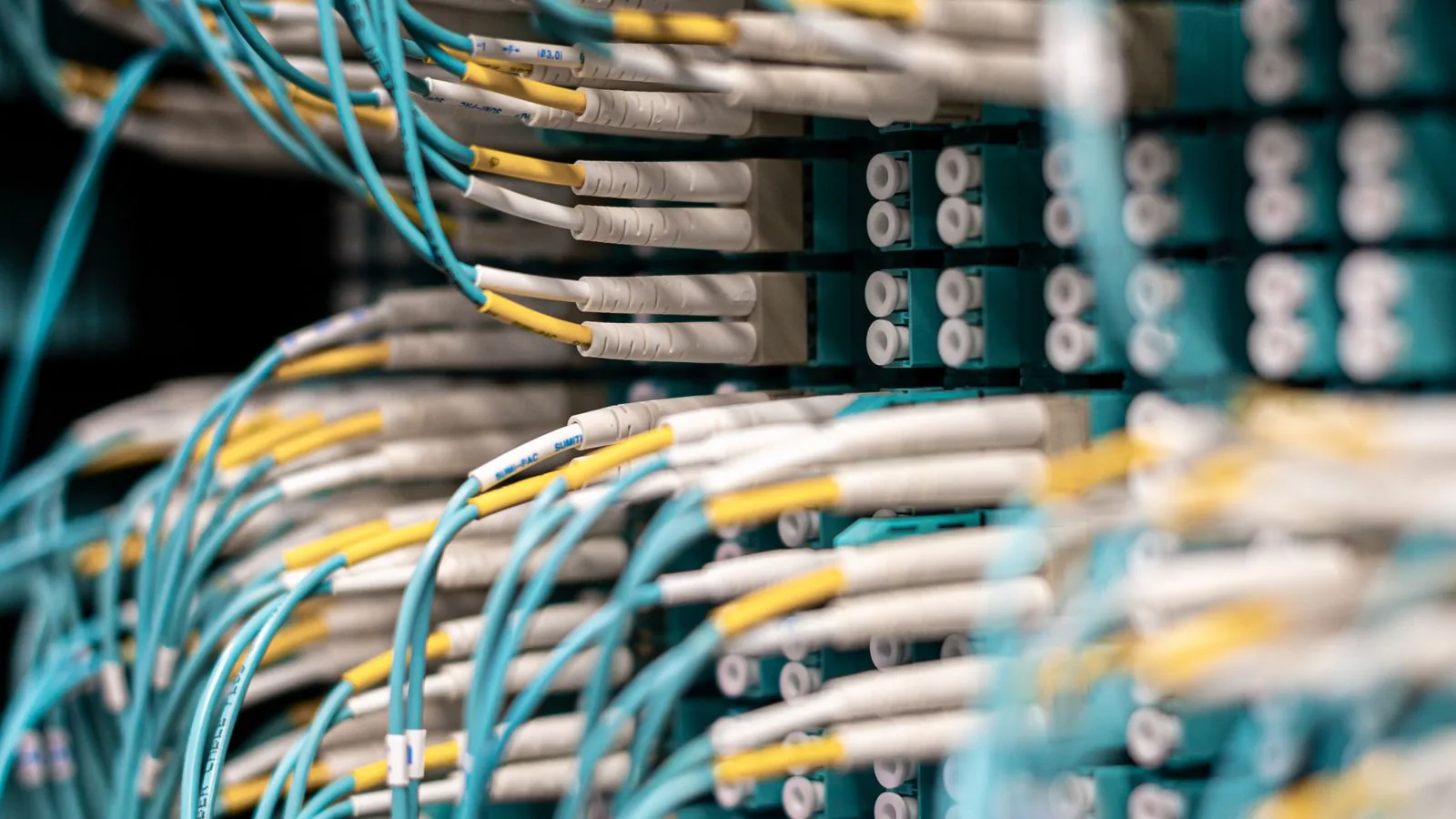
Where a carrier publishes an API or webhooks, the connection is direct. Where there is EDI, we work through your existing setup or stand one up. Where there is only a portal and a file, we run a scheduled import. How many carriers you use and what each one allows is what sets the scope, and we confirm it in the first phase. More on the systems integration page.
We build on what you run, as long as data can get out of it by API, by database or by file. If one system makes that genuinely difficult, it goes in the scope document with the alternatives and what each one involves, before you commit to anything.
It can be part of the same portal. A carrier or a customer requests a window, the warehouse confirms it, and everyone reads the same schedule. We design it against your rules: how many doors, what hours, and how long each type of load actually takes.
They will when it takes less of their time than the paperwork it replaces, and when it works in a yard with no bars of signal. We also build the same capture as a web link you text to a driver, for the contractors you cannot ask to install anything.
Tell us which systems you run, how many carriers you move freight with and what each one gives you. We reply within one to two business days to set up a first call, and from there we map the route for your portal.
Let’s talk about your project