





Inventory lags the sale
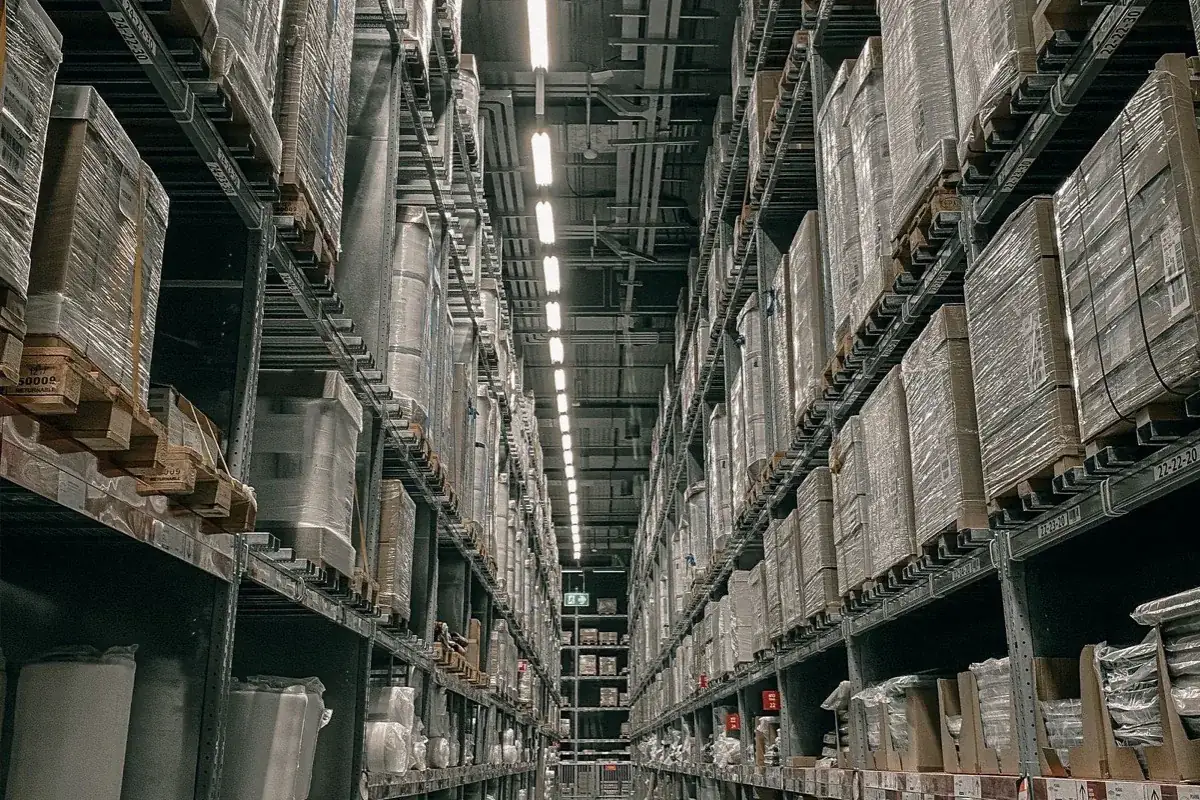
The store oversells a SKU because the sync runs every fifteen minutes and a drop emptied the shelf in four. The customer finds out from a service email.
Your store, your subscription app, your warehouse and your books each hold a version of the same order. Reconciling them is somebody’s whole Monday. We connect the stack you already pay for so one order means one number, and we build the pieces nobody sells off the shelf.
Every app in it solved a real problem on the day it was installed. None of them was chosen with the other six in the room.
We start by following one order through all four, including a refunded one and a subscription renewal, because that is where the disagreement shows.
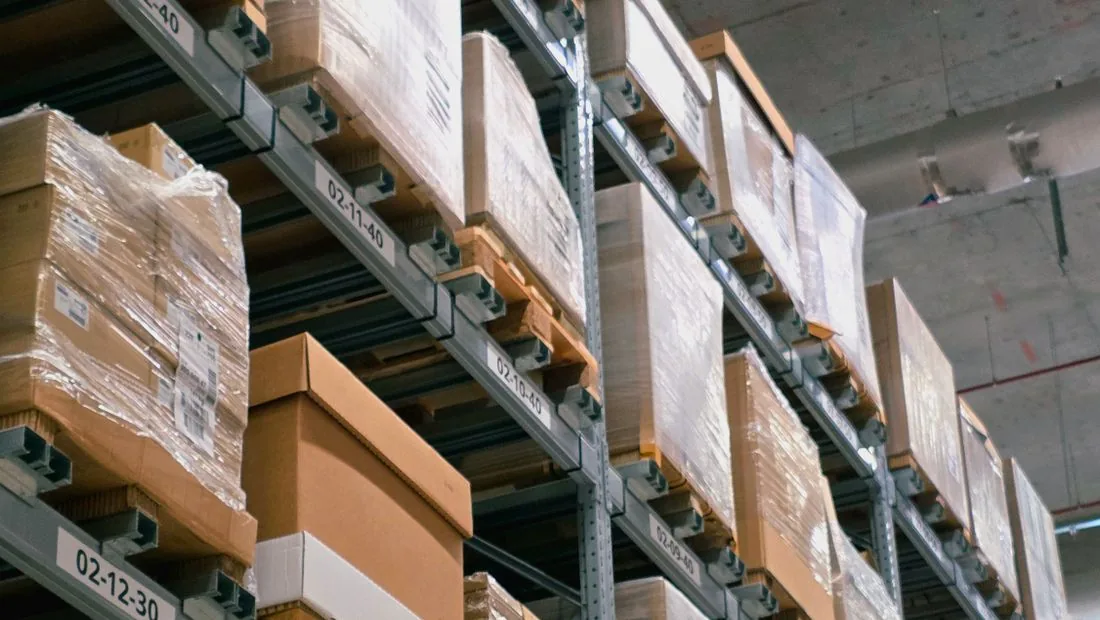
Each of these shows up around the point where orders per day stop being countable by eye.
The store oversells a SKU because the sync runs every fifteen minutes and a drop emptied the shelf in four. The customer finds out from a service email.
Renewal dates, skips, swaps and failed cards live in the subscription app. Your forecast and your pick list are built from somewhere else, so the warehouse is guessing.
One listing, four components, three of which also sell on their own. The store counts the bundle, the 3PL counts the parts, and the margin report counts neither correctly.
A box shows up without a reason code or a link to its order. Restocking, refunding and spotting the SKU with a quality issue all stall on the same missing record.
Your apps stay on your billing and in your name. We build around them, and we say so when two of them are doing the same job.
We have done this work for a Florida farm that grows fresh living spirulina and ships it direct to households, where a twelve-day freshness window sets the rules for the whole store. Read that case.
Yes, and that is the default. Subscriptions, email, the help desk, shipping and accounting stay on your billing. Where two apps write to the same order and fight over it, we tell you which one we would keep and what consolidating involves.
That is the common case, and the decision is which system is the source of truth, usually the warehouse. From there it is about how often each channel is updated and what happens when the connection drops. We also set buffers per channel so one of them cannot sell the last unit three times.
It changes the store, not just the warehouse. Cutoff times, ship days, the zones you can reach in time and what the product page promises all follow from the shelf life. We design the order window around the real cycle, and the checkout only offers what the cycle can keep.
You do. The store, the domain, the apps and the customer list are in your company’s name, and the code we write sits in your repository with the documentation beside it. Exit terms are in the contract before we start, not negotiated later.
Tell us what platform you sell on, who fulfills your orders and which report people quietly recount by hand. We reply within one to two business days to set up a first call, and from there we map the route for your project.
Let’s talk about your store