



The work order gets printed
Scheduling happens in the ERP, then the traveler goes out on paper. From that moment the system stops knowing what the floor changed, and the only way to find out is to walk out there and ask.
Your ERP knows what was ordered. The floor knows what actually ran. Between those two facts sit a clipboard, a shared spreadsheet and one person who reconciles them Friday afternoon. We build the software that closes that gap and connect it to the ERP you already paid for.
It is in the office, in the handoff, and in the second time somebody types a number that already existed.
Scheduling happens in the ERP, then the traveler goes out on paper. From that moment the system stops knowing what the floor changed, and the only way to find out is to walk out there and ask.
Somebody writes the lot on a sheet, the sheet goes in a binder, and the binder is the record. It works until a customer asks which units came from one heat of material.
Material, labor, finishing, setup for a short run. One estimator holds the whole calculation, usually in a workbook with their name on it. When that person is out, quotes queue.
Inside sales opens the ERP, then calls the floor, then calls back. Every one of those calls is a number that already exists in a system the customer cannot see.
Most plants we look at are running four separate things that each hold part of the same job.
The work is not replacing those four. It is deciding which one owns each fact, then moving that fact between them without a person in the middle.

STRADA DEV is our software division. Scope, price and schedule go in writing before each phase opens. Every service below has its own page.
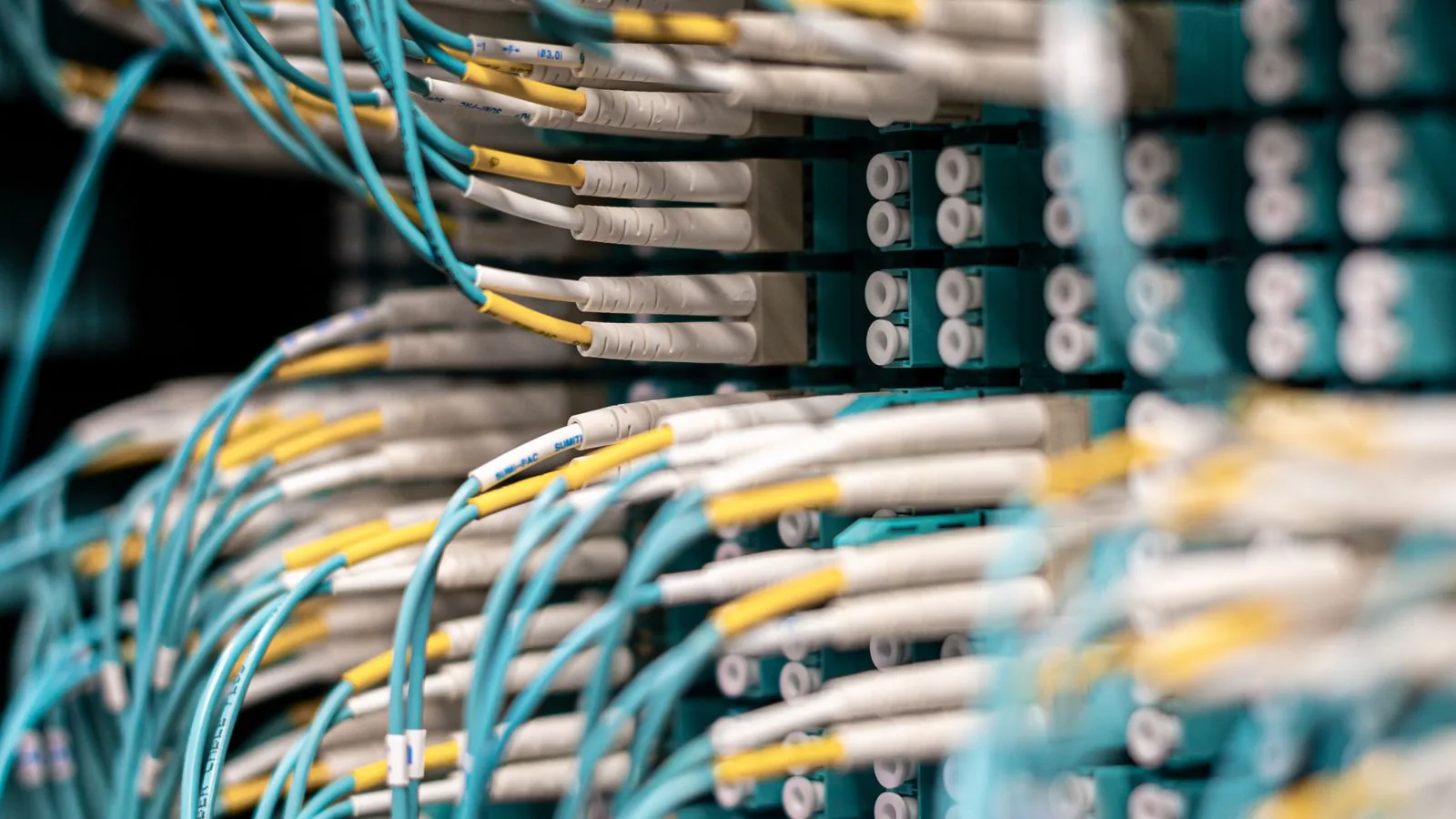
A customer complaint, a supplier recall or an ISO audit all ask the same question: which finished units contain this lot. If the answer lives in a binder, somebody spends Saturday rebuilding it. If the scan happened at receiving, at the cell and at pack-out, the answer is a query. Three shifts, short runs and outside processing make that harder, so we design the capture points before we design the screens. See how the work reads as a case.
The ERP stays where it is and we connect to it. What sets the scope is whether it lets data in and out on a schedule, through an API, a database connection or a file drop. We confirm that in the first phase and write it down before anything gets built. The detail is on the systems integration page.
That is what the first phase is for. We pull the rules out of the person who applies them, test them against quotes you already won and lost, and get them approved before a line of code exists. If writing them down shows the process itself is still open, we settle the process first.
They use it when it is faster than the paper it replaces. That means large targets, gloves in mind, a barcode scan instead of typing, and one job per screen. We watch a shift before we design it, and we keep paper as the fallback for the first weeks so nothing stops if a tablet does.
It changes what you track. Short runs put the weight on setup time and engineering hours. Outside processing puts it on knowing which operation a part is sitting in and who physically has it. Both get handled in custom software shaped around your routing instead of a generic one.
Tell us what you make, how it gets configured, who sets the price and which ERP you run. We reply within one to two business days to set up a first call, and from there we map the route for your project.
Let’s talk about your project